Tbilisi, Georgia: Where the Caucasus Rewrites the Rules of Travel
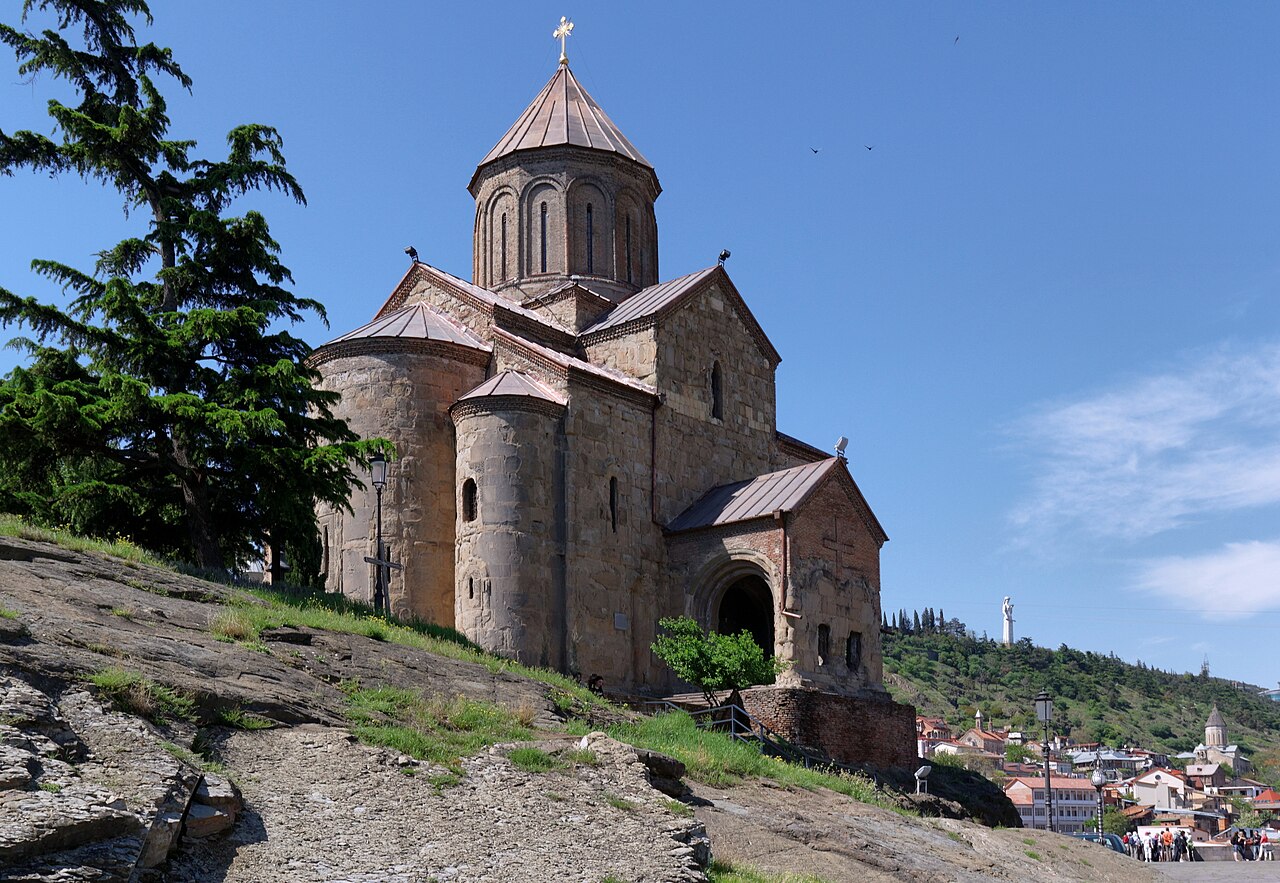
There’s a moment in Tbilisi that happens to almost every traveler. You’re in the Old Town — Kala, the locals call it — threading through a narrow alley that smells faintly of baking bread and smoldering wood. A carved wooden balcony juts overhead, its lattice screen sagging with age. Then you round a corner and there’s a Persian bath dome, a crumbling Soviet apartment block, and an Orthodox cathedral — all within 50 meters of each other, all speaking a different century, all somehow coexisting without apology. That’s Tbilisi. It is, without question, one of the most interesting cities on Earth right now.
Why Tbilisi Deserves More Than a Weekend
Georgia sits at a civilizational crossroads — it’s been Persian, Byzantine, Mongol, Ottoman, and Soviet, often in rapid succession — and Tbilisi has absorbed all of it without becoming a pastiche. The result is a city of extraordinary palimpsest: Islamic architecture beside Orthodox churches beside modernist glass bridges beside Communist-era mosaics. The food is its own language — khinkali (soup dumplings), churchkhela (walnut-and-grape candy), pkhali (herbed walnut spreads) — and Georgia is, improbably, one of the oldest wine-producing regions on Earth, still fermenting reds in traditional clay amphorae called qvevri buried in the ground.
What makes Tbilisi compelling right now is the energy. An influx of digital nomads, artists, and creatives has collided with a deeply proud Georgian culture to spark something genuinely alive. The bar scene in Fabrika — a repurposed Soviet sewing factory — buzzes until 4am. Natural wine bars pour eccentric amber wines for the price of a coffee. Techno music spills out of basements built into hillsides. And underneath all of it, ancient hospitality holds firm: Georgians still press homemade wine on strangers.
Getting There
Tbilisi International Airport (TBS) handles direct flights from London, Amsterdam, Paris, Istanbul, and most European hubs. Turkish Airlines, Wizz Air, and Georgian Airways are the main carriers. From Istanbul or Dubai, connections are seamless. Budget travelers note: Tbilisi remains one of Europe’s most affordable capitals, with a favorable exchange rate to the Georgian Lari.
From the airport to the city, take the express train (Tbilisi Airport Express) to Liberty Square for about 1 GEL — approximately 40 cents. Taxis run around 25-35 GEL ($9-12 USD) if you book through the Bolt app rather than hailing one directly.
Where to Stay
Fabrika Hostel is the obvious choice for anyone wanting to be in the thick of things — it doubles as a concept space with bars, coffee shops, and a coworking space in the same courtyard. For something more boutique, Stamba Hotel occupies a Soviet-era publishing house in the Vera neighborhood, with soaring ceilings and a gorgeous garden terrace. Mid-range travelers do well in guesthouses scattered through the Old Town — look for properties near Abanotubani, the sulfur bath district.
The Old Town and Vera neighborhoods place you walking distance from almost everything worth seeing. Avoid booking too far into the Isani district unless you specifically want to explore Soviet residential architecture.
What to Do
Abanotubani — the sulfur baths should be your first stop, not a last-minute checkbox. These domed bathhouses sit over natural hot springs reeking wonderfully of sulfur. Private rooms run 15-30 GEL per person per hour. Book a massage while you’re there — vigorous, professional, and under $15.
Narikala Fortress towers over the Old Town. Take the cable car up for sweeping views of the city and the Mtkvari River below — the cable car reopened in 2024 after a thorough renovation, with glass-floored cabins on the route worth seeking out. Walk back down through the tangle of Old Town alleyways.
Mtatsminda Park sits on the hill above the city. The funicular railway is a Tbilisi institution and offers some of the best city views at sunset. The park itself is gloriously Soviet-kitsch, with carousels and a Ferris wheel, but nobody goes for that — they go to watch the sun drop behind the Caucasus Mountains and turn the city amber.
Shardeni Street is where you have your first glass of wine. Most bars here pour serious Georgian naturals — ask for an amber wine (white grapes fermented on their skins) and let whoever’s behind the bar guide you. Don’t leave without trying a churchkhela and a glass of something cold.
The State Silk Museum, freshly reopened after long renovation in October 2024, is a genuine surprise — Georgia’s silk production history is rich, and the museum handles it with real depth.
Local Tips
Best Time to Visit
Late April through June is peak season for good reason: temperatures are warm (18-25°C), the Old Town’s flowers and vines are in bloom, and the outdoor cafés and terraces are buzzing. September and October are arguably better — the summer crowds have thinned, the light is extraordinary, and harvest season means an abundance of produce and wine. Summer (July-August) can be genuinely hot (35°C+), and peak crowds in the Old Town make it feel smaller than it is. Winter is cold but atmospheric, especially around Christmas when the city strings up lights along the Mtkvari River.
Whenever you go, budget more time than you think you’ll need. Tbilisi has a way of holding people.
Travel Magellan is Bennico’s guide to the world’s most compelling destinations — the ones that reward slow travel and curious minds.
What to Pack
Heading to Tbilisi, Georgia for City & Wine Guide? Here’s what to bring: Travel Water Purifier Bottle, VPN Subscription (travel security), Lightweight Day Backpack, Comfortable Walking Shoes Leather, Power Bank Portable Charger. Pack light but smart — city & wine guide demands the right kit.
Book This Adventure
Tours and experiences for Tbilisi, Georgia:
- Tbilisi Old Town & Narikala Fortress Walking Tour – GetYourGuide
- Tbilisi Wine Tasting & Mtskheta Day Trip – Viator
Where to Stay
Recommended accommodation in Tbilisi, Georgia:
- Fabrika Hostel & Suites Tbilisi – Booking.com
- Stamba Hotel Tbilisi – Booking.com
Don’t Skip This
Adventure travel requires proper insurance. World Nomads covers everything from volcano boarding to heli-skiing.
Get a Quote →
Affiliate link — we earn a commission at no extra cost to you.