Cappadocia, Turkey: The Landscape That Looks Like a Fever Dream
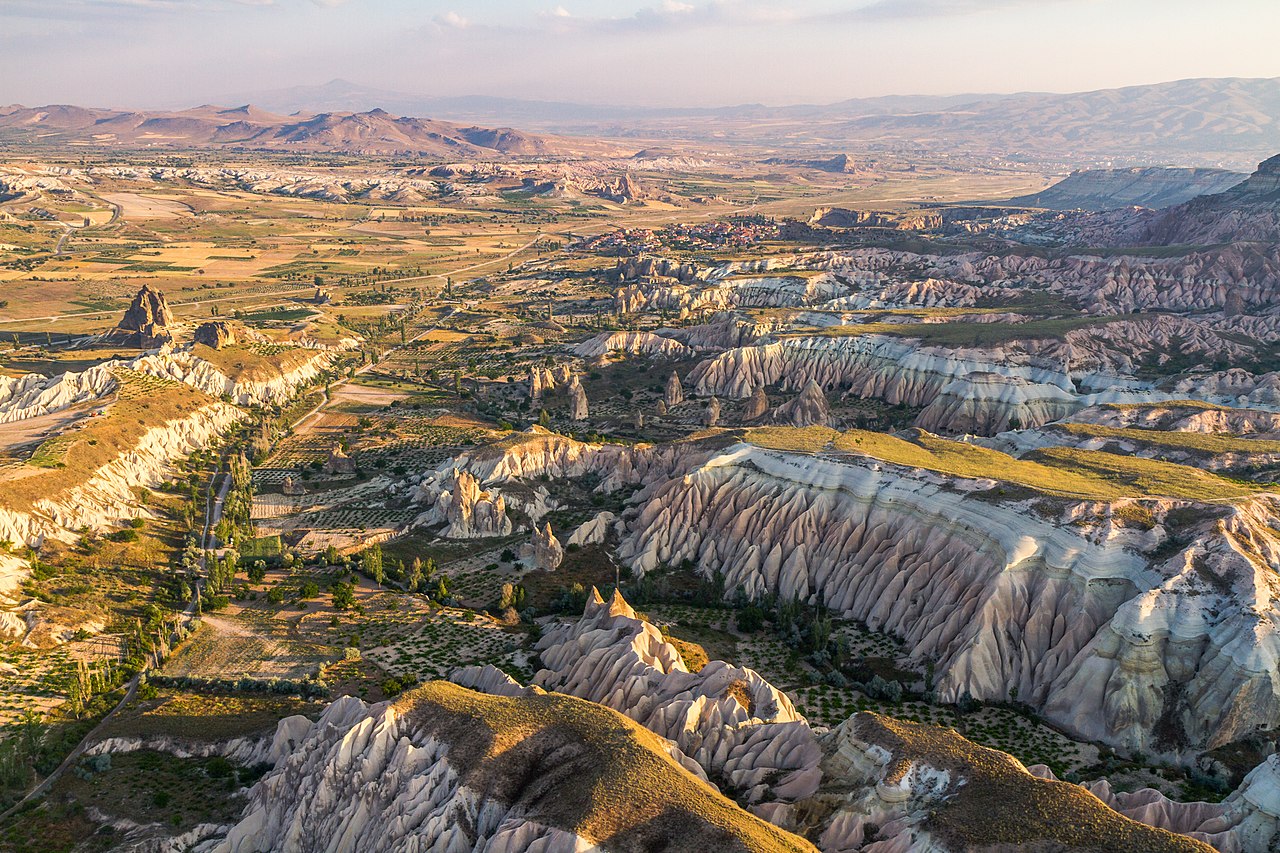
You’re standing in a field before sunrise, and it’s cold in the way that high desert is cold — bone-deep and clarifying. Around you, the rocky spires of the Göreme Valley catch the first gray light. Then, one by one, giant envelopes of silk begin to inflate from the ground, filling with hot air in slow, stately motion. Within twenty minutes, a hundred hot air balloons are drifting silently above one of the most alien landscapes on Earth, trailing long shadows across valleys carved from volcanic tuff over millions of years.
You already knew this was going to be extraordinary. But experiencing it is still different. Cappadocia always delivers.
Why Cappadocia Is Unlike Anywhere Else
The landscape here is a geological fluke. Around three million years ago, volcanic eruptions blanketed this region of central Anatolia in soft ash and lava, which hardened into a porous rock called tuff. Millennia of erosion by wind and rain carved it into the extraordinary formations you see today — conical “fairy chimneys,” cathedral-like valleys, cliffs riddled with cave openings. Humans recognized what they had and tunneled deep: early Christians carved entire underground cities, entire rock-cut churches festooned with Byzantine frescoes, monasteries hidden from Persian and Arab raiders. In a few places, these underground cities extend 18 levels deep.
The modern traveler inherits all of this. Cave hotels burrowed into volcanic rock, wine cellars dug centuries ago, chapels with 1,000-year-old paintings glowing in the lamplight. Cappadocia manages something rare: it is simultaneously one of Turkey’s most-visited destinations and one that still feels genuinely remote and other-worldly.
Getting There
The two closest airports are Nevşehir Kapadokya Airport (NAV) and Kayseri Airport (ASR), both connected to Istanbul by Turkish Airlines and Pegasus Airlines multiple times daily. From Istanbul, the flight is about 1.5 hours. From Kayseri, it’s a 1-hour drive to Göreme — most hotels arrange shuttle service, or you can book a shared transfer.
Alternatively, overnight buses from Istanbul (around 10-11 hours) are comfortable and cheap — Turkish long-distance buses are considerably nicer than the European equivalent. You arrive in the morning, rested enough for a first day of exploring.
Where to Stay
This is the one destination in the world where you should absolutely splurge on a cave hotel, even if you typically stay in hostels everywhere else. The experience of sleeping inside volcanic rock — thick walls keeping you cool in summer and warm in winter — is genuinely singular.
Elkep Evi Cave Hotel in Ürgüp combines authentic cave architecture with honest warmth — the family who runs it is deeply invested in your experience. Sultan Cave Suites in Göreme has the views (a terrace overlooking the valley that is staggering at dawn) at a mid-range price point. For a splurge, Argos in Cappadocia is carved into a hillside above Ürgüp with a wine tunnel, two restaurants, and some of the most sophisticated cave suites in Turkey.
Budget note: staying in the village of Göreme keeps you close to the main trailheads and the Open Air Museum, which matters if you’re without a car.
What to Do
Book the hot air balloon first — before anything else. This is non-negotiable. Balloon flights run at sunrise and last 60-90 minutes; they are weather-dependent and often cancelled. Book with a reputable operator like Butterfly Balloons or Royal Balloon — not the cheapest option you find online. The price difference ($150-250 per person) is worth it. Pickup from your hotel happens between 4:30-5:00am; the flight itself, once you’re in the air, is among the most purely beautiful experiences travel offers. Champagne afterward is standard.
Göreme Open Air Museum is the region’s essential cultural site — a UNESCO World Heritage Site comprising rock-cut churches, chapels, and monasteries, most with frescoes dating to the 10th-12th centuries. The Dark Church (Karanlık Kilise) charges a small additional fee but its frescoes are the best-preserved in Cappadocia, protected by centuries of near-total darkness.
Hike the Rose and Red Valleys in the afternoon when the volcanic rock turns extraordinary colors — ochre, rust, deep burgundy. The Rose Valley trail from Çavuşin to Göreme takes about 2 hours at a comfortable pace and passes cave churches, abandoned dwellings, and vineyards. It’s rarely crowded after midday.
Derinkuyu Underground City descends 85 meters into the earth through a labyrinth of tunnels, stables, wine presses, and living quarters for as many as 20,000 people. The history of what drove entire civilizations underground is sobering. Bring a jacket — it’s a constant 13°C regardless of season.
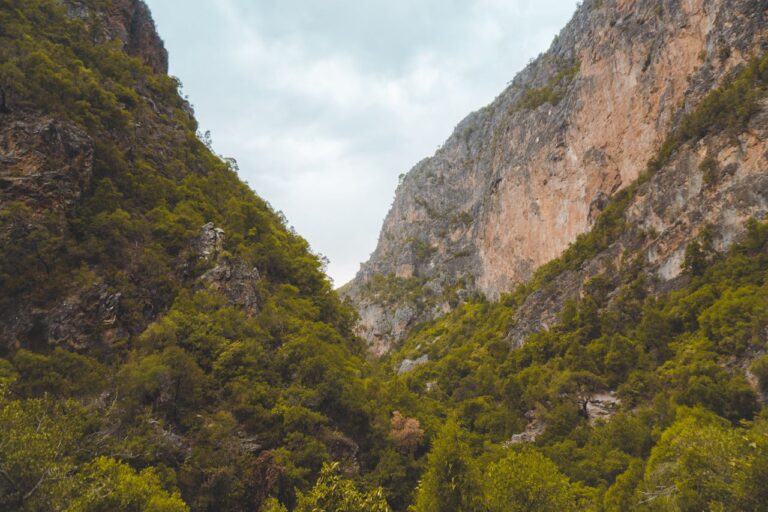
The Ihlara Valley offers a completely different Cappadocia: a lush river canyon where 100+ rock-cut churches line the cliffs for 14km. Rent a scooter and spend half a day. You’ll likely have it largely to yourself.
Local Tips
Best Time to Visit
April-May and September-October are the sweet spots. Temperatures are 15-25°C, skies are reliably clear for balloon flights, wildflowers blanket the valleys in spring, and the light in autumn turns the fairy chimneys extraordinary shades of copper. Winter (December-February) brings snow, which transforms the landscape into something even more surreal — there’s a reason those snow-dusted fairy chimney photographs circulate endlessly. Balloon flights still run on clear winter days, and hotel prices drop significantly.
Travel Magellan is Bennico’s guide to the world’s most compelling destinations — the ones that reward slow travel and curious minds.
What to Pack
Heading to Cappadocia, Turkey for Hot Air Balloon & Cave Stay? Here’s what to bring: Layered Windproof Jacket, Camera Mirrorless Travel, Comfortable Walking Sandals, Travel Journal Hardcover, Reusable Water Bottle Insulated. Pack light but smart — hot air balloon & cave stay demands the right kit.
Book This Adventure
Tours and experiences for Cappadocia, Turkey:
- Sunrise Hot Air Balloon Ride Cappadocia with Royal Balloon – GetYourGuide
- Cappadocia Balloon Flight at Sunrise – Viator
Where to Stay
Recommended accommodation in Cappadocia, Turkey:
- Museum Hotel Cappadocia – Booking.com
- Kelebek Special Cave Hotel Göreme – Booking.com
Don’t Skip This
Adventure travel requires proper insurance. World Nomads covers everything from volcano boarding to heli-skiing.
Get a Quote →
Affiliate link — we earn a commission at no extra cost to you.