Hoi An, Vietnam: The City That Glows
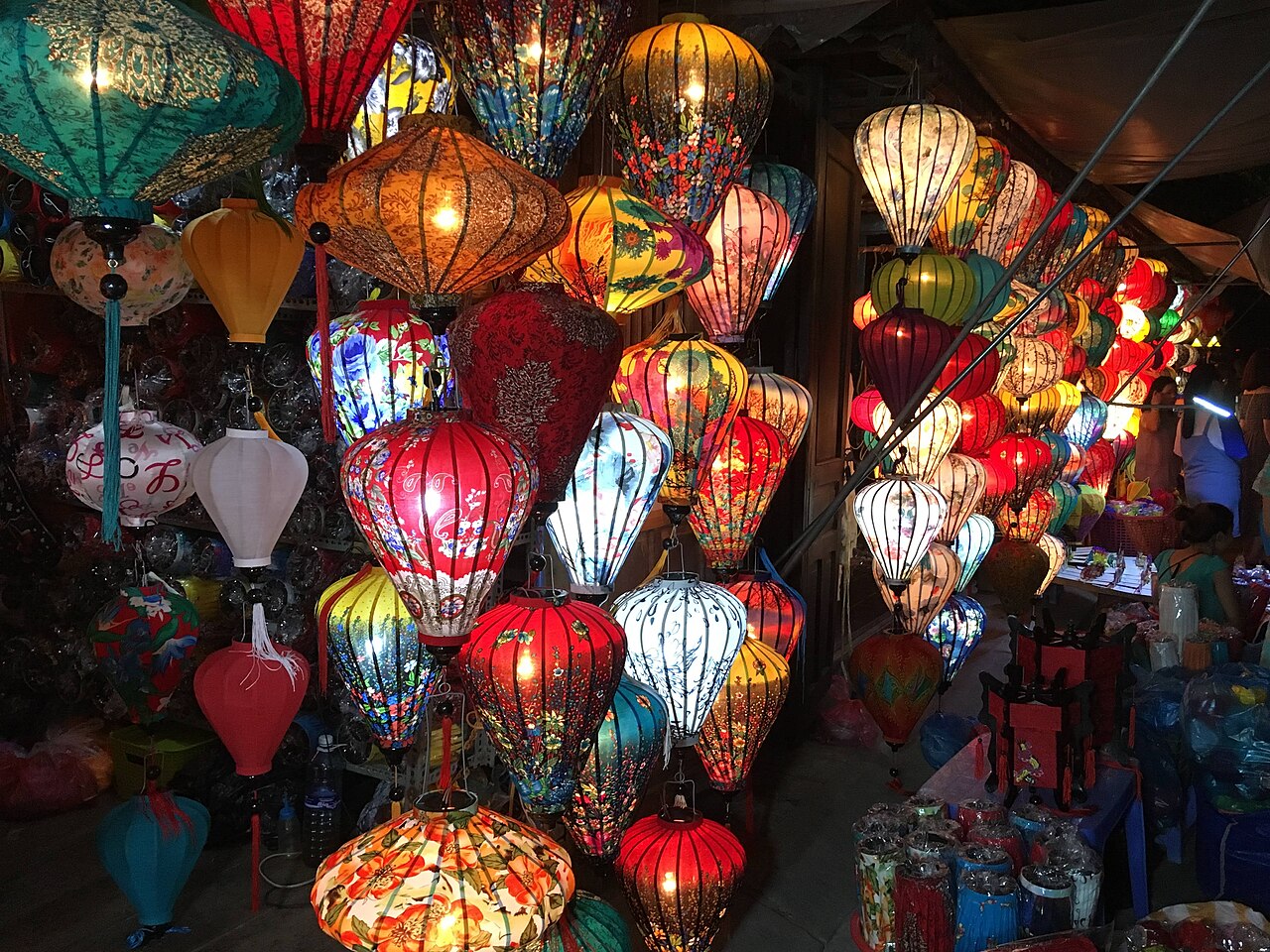
At 8pm on the 14th day of the lunar month, the electricity goes out in Hoi An’s Ancient Town. Not as a failure — as a tradition. Every building turns off its lights simultaneously, and for a few hours the town is lit only by silk lanterns: paper-thin, hand-painted, strung in clusters from every doorway and bridge. They hang over the narrow waterway that runs through the old quarter, casting wobbling reflections in the dark water. Women in áo dài float paper wish-boats downstream. Children press close to open-air food stalls. The whole scene is quiet in the way that profound things sometimes are — not silent, but hushed.
You already know the photographs. What you don’t know until you’re there is the warmth of it. Hoi An at lantern festival time isn’t a performance — it’s a city expressing something it genuinely feels.
Why Hoi An Stands Apart in Vietnam
Vietnam’s big-city draws — Hanoi and Ho Chi Minh City — are electric, chaotic, and fascinating. But they can also be exhausting. Hoi An is what happens when you take all the country’s cultural richness and compress it into a town of 120,000 people on the banks of the Thu Bồn River.
The Ancient Town (Phố Cổ) is a UNESCO World Heritage Site — a living merchant port that once connected Chinese, Japanese, Portuguese, and Dutch traders in the 16th-17th centuries. Walking through it, you can still read those layers. The Japanese Covered Bridge (Chùa Cầu) dates to the 1590s. The Phùng Hưng Old House has both Japanese-style roof joints and Chinese courtyard layouts in the same structure. The Assembly Halls built by Chinese merchant communities are still active, still fragrant with incense.
What makes Hoi An work as a destination is that it hasn’t forgotten it’s a real town. Bicycles weave between the café tables. Schoolchildren in white áo dài dart through the market. The tailors are genuinely excellent. The food is some of the best in Vietnam.
Getting There
The nearest airport is Da Nang International Airport (DAD), one of Vietnam’s busiest hubs with direct connections from Singapore, Bangkok, Kuala Lumpur, Hong Kong, Seoul, and Tokyo. From Da Nang airport to Hoi An is about 30km — a 40-minute taxi ride (negotiate upfront or use Grab, Vietnam’s ride-hailing app, for a fixed price around 200,000-300,000 VND). Buses from Da Nang run frequently and cost about 40,000 VND.
From Ho Chi Minh City or Hanoi, budget airlines (VietJet, Bamboo Airways, Vietnam Airlines) fly to Da Nang for under $50. An overnight train from Hanoi (16 hours, but scenic and comfortable in a sleeper cabin) is worth considering if you have time.
Where to Stay
The town divides naturally by price and preference. Within the Ancient Town: guesthouses and boutique hotels are clustered on Nguyen Thai Hoc and Bach Dang streets; prices are higher but the experience of waking inside the historic quarter, stepping directly into the lantern-lit alleyways, is worth it. The Anantara Hoi An Resort on the river bank balances colonial-style luxury with location. Vinh Hung Riverside Resort is a more affordable mid-range choice with a beautiful river-facing terrace.
An Bàng Beach, about 4km from the Ancient Town, offers a completely different vibe — cheaper guesthouses, excellent seafood shacks, fewer crowds, and actual surf. Many travelers split their stay between the two.
What to Do
Lantern Festival night (14th of each lunar month) is worth planning your entire trip around. Arrive at the Ancient Town by 7pm, find a spot on the riverbank near the Japanese Covered Bridge, and wait. When the lights go out at 8pm, you’ll understand why people book return tickets.
Order Cao Lau from a street stall first. This thick noodle dish — thick chewy noodles, char siu pork, crunchy croutons, fresh herbs, bean sprouts — can only be made properly with water from one specific well in Hoi An (or so the legend goes). It tastes like nothing else in Vietnam.
White Rose dumplings (Bánh Bao Vạc) are the other unmissable dish — delicate, translucent rice-flour wrappers shaped into roses, served with a sweet dipping sauce. The recipe belongs to a single family who supplies every restaurant in town.
Get a tailor-made item. The tailors here are the real deal — skilled, fast (48-72 hours for a suit), and still reasonably priced by international standards. Yaly Couture and A Dong Silk have strong reputations. Come with reference photos and be specific about what you want.
The Tra Que vegetable village, a 20-minute bicycle ride from town, grows the herbs that season Hoi An’s distinctive cuisine in plots tended by hand. Morning cooking classes here are excellent — you harvest, you cook, you eat what you made.

My Son Sanctuary, 40km from Hoi An, is a complex of Hindu Cham towers dating to the 4th-14th centuries, mostly ruined by US bombing during the Vietnam War. The ruins carry real weight — go early before the tour buses arrive.
Local Tips
Best Time to Visit
February to April is optimal: dry weather, temperatures in the comfortable 22-28°C range, and the post-Tết (Lunar New Year) glow still hanging over the town. October brings the most dramatic lantern festivals (Mid-Autumn Festival falls here) but also the beginning of the rainy season — flooding in the Ancient Town is possible. The wettest months are October-November; if you go then, pack accordingly and book a guesthouse above the flood line (ask when booking). Summer (June-August) is hot and humid but manageable, and the beach crowds at An Bàng are at their most festive.
Travel Magellan is Bennico’s guide to the world’s most compelling destinations — the ones that reward slow travel and curious minds.
What to Pack
Heading to Hội An, Vietnam for Ancient Town Guide? Here’s what to bring: Lightweight Linen Shirt for Heat, Sandals Leather Comfortable Walking, Insect Repellent DEET-Free, Travel Sarong Multipurpose, Packable Sun Hat Wide Brim. Pack light but smart — ancient town guide demands the right kit.
Book This Adventure
Tours and experiences for Hội An, Vietnam:
- Hội An Ancient Town Lantern Making & Cooking Class – GetYourGuide
- Hoi An Countryside Cycling & Boat Tour – Viator
Where to Stay
Recommended accommodation in Hội An, Vietnam:
- The Nam Hai Hội An – Booking.com
- Hoi An Chic Hotel – Booking.com
Don’t Skip This
Adventure travel requires proper insurance. World Nomads covers everything from volcano boarding to heli-skiing.
Get a Quote →
Affiliate link — we earn a commission at no extra cost to you.