Chefchaouen, Morocco: The Blue City You’ll Never Forget
The photographs don’t prepare you. You’ve seen the images a hundred times — cobblestone alleyways painted in every shade of blue from midnight to sky, cats curled in doorways, flower pots hanging against indigo walls. You think you know what Chefchaouen looks like. Then you turn a corner into the medina at 7am, before the tour groups arrive, when the Rif Mountains light is still cool and the only sound is water running in the central fountain, and the blue is somehow more blue than you expected, and quieter, and stranger.
Chefchaouen is one of those destinations that exceeds its own mythology.
Why Chefchaouen Is More Than Its Color
The city was founded in 1471 as a small fortress town, used as a base for Moroccan forces pushing back against Portuguese expansion on the coast. Jewish refugees fleeing the Spanish Inquisition arrived in 1494, and it’s believed that the distinctive blue walls — which have many origin stories — may be partly traced to Jewish tradition, where the color represents heaven and divinity. For nearly 500 years, the city was closed to Christians (a Spanish journalist was reportedly executed for trying to enter in the 18th century). The isolation preserved something intact.
What you find today is a small city of about 45,000 people that manages to be both genuinely living (this isn’t a tourist theme park — people work, cook, and raise families here) and astonishingly beautiful. The medina climbs a hillside above the Oued Laou river valley, its streets too narrow for cars, its rhythms set by the calls to prayer and the working hours of its craftspeople: weavers, leather workers, cheese and honey producers.
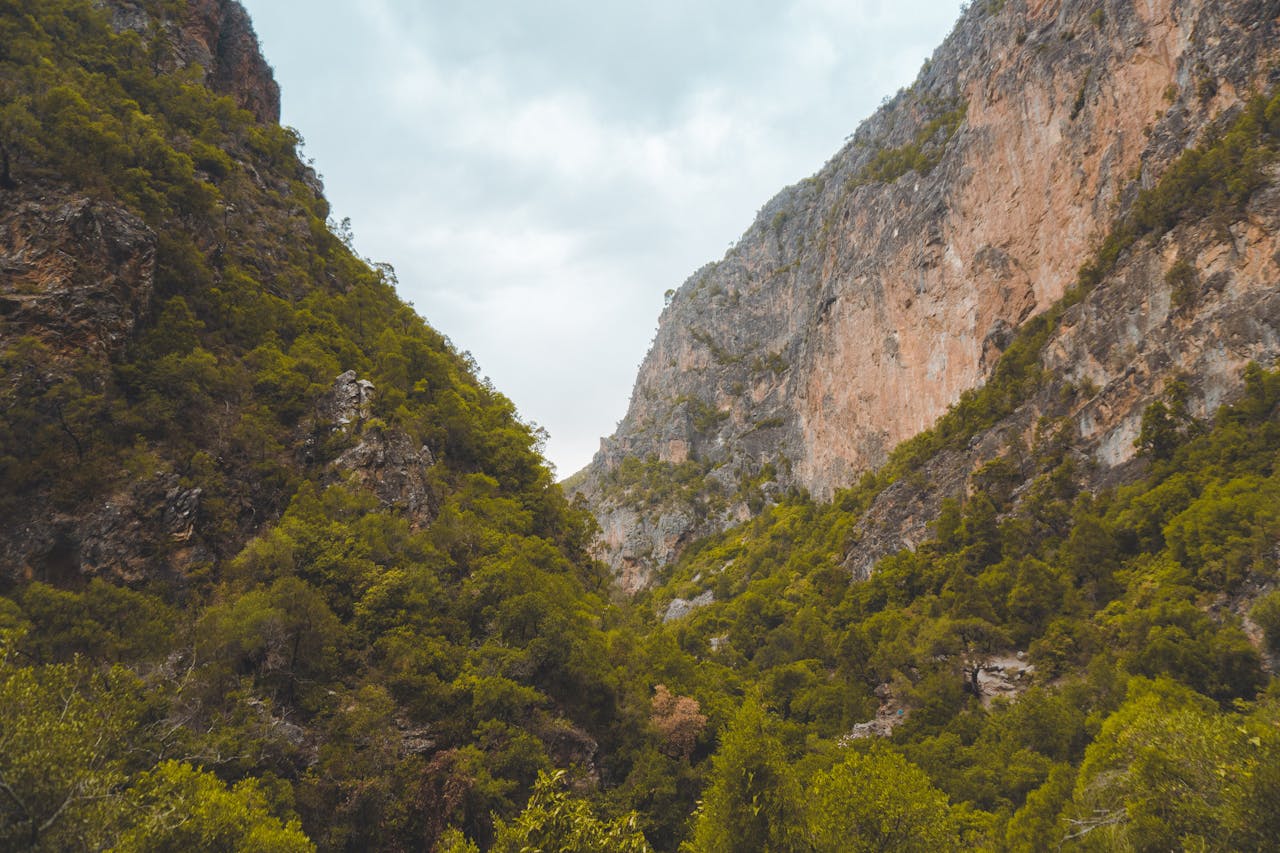
Beyond the blue, Chefchaouen is a base for hiking in the Rif Mountains, which rise green and dramatic behind the city and remain largely undiscovered by the trekking crowd that floods the Atlas.
Getting There
Fly into Tangier Ibn Battouta Airport (TNG) — this is the closest major airport, about 2.5 hours by bus or grand taxi from Chefchaouen. Direct connections from Madrid, Paris, Brussels, and London make Tangier increasingly accessible.
Alternatively, Casablanca Mohamed V Airport (CMN) is the hub with the most international connections; from Casablanca, buses run to Chefchaouen via Fes or Tetouan (5-6 hours total). The CTM and Supratours bus companies are reliable.
From Fes, the bus journey is about 4 hours and passes through beautiful mountain scenery. Many travelers combine Fes-Chefchaouen-Tangier as a northern Morocco route.
Where to Stay
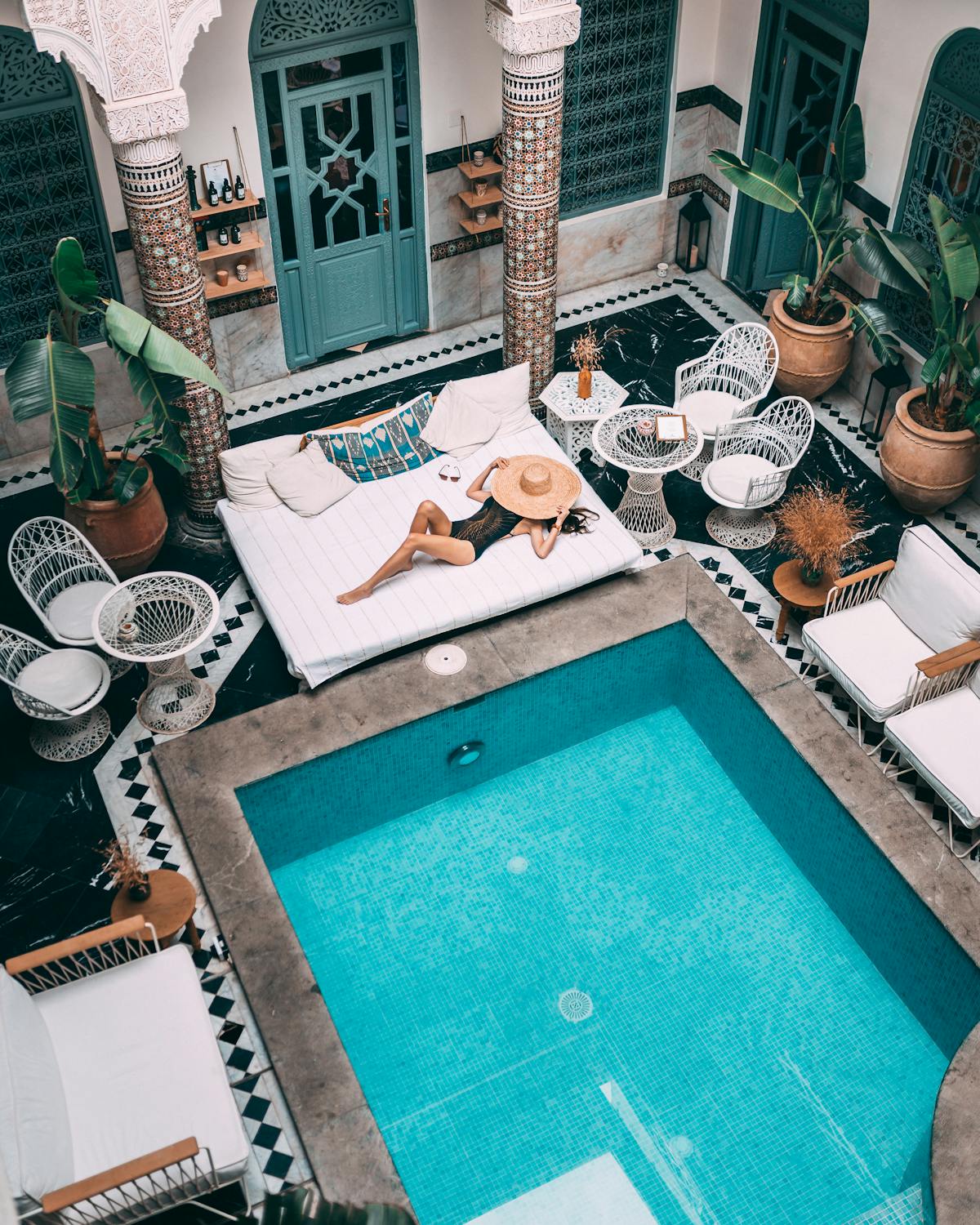
The medina’s riad scene is more affordable and intimate than Marrakech’s. Casa Perleta is a beautifully restored riad run by a warm Italian-Moroccan family, with a rooftop terrace overlooking the medina and the mountains beyond. Lina Ryad & Spa offers a more upscale option in a stunning traditional building. For budget travelers, the medina is dotted with small guesthouses in the 200-400 MAD/night range ($20-40) — look for anything near the central Plaza Uta el-Hammam.
Staying inside the medina is essential. The blue city is a nighttime experience as much as a daytime one, and you want to be there when the day visitors leave and the streets return to themselves.
What to Do
Wake early. The medina between 6:30am and 9:00am is a completely different place from the midday crush — local women heading to market, men setting up café chairs in the plaza, cats emerging from overnight shadows. Your photographs will be better, but more importantly, the experience of the place will be authentic.
The central square, Plaza Uta el-Hammam, is the social heart of the city — a large open square flanked by the Grande Mosquée and a kasbah museum, ringed with café terraces where the whole town comes to sit in the evenings. The kasbah inside dates to the 15th century and contains a small museum and a garden of extraordinary peace.
Hike to the Spanish Mosque on the hill above the city. The 30-minute climb from the medina brings you to the ruins of a colonial-era mosque with the best panoramic view of Chefchaouen and the surrounding mountains. Go at sunset. This is not optional.
The Ras el-Maa waterfall sits at the edge of the medina — a small cascade where locals do laundry (seriously, on flat rocks in the stream) and goats occasionally wander through. It’s one of those scenes that makes you feel like you’ve stumbled into something private.
Hike in the Talassemtane National Park, which begins practically at the city walls. The trail to God’s Bridge (Pont de Dieu) — a natural rock arch over a river about 8km from town — is achievable in half a day. The park’s cedar forests shelter Barbary macaques.
Buy the cheese. Chefchaouen is famous in Morocco for its fresh goat cheese, sold in rounds by women in the market. Also the honey, which comes from hives in the Rif Mountains and tastes different from anything you’ll find in a supermarket.
Local Tips
Best Time to Visit
March-May and September-November are peak conditions — mild temperatures (18-25°C), clear mountain air, and the possibility of wildflowers on the hillsides in spring. Summer (June-August) is warm but the high elevation (about 600m) keeps it more comfortable than the coastal or Saharan cities; it’s also peak tourist season. Winter can be cold and occasionally snowy, which transforms the blue-and-white palette into something extraordinary — and you’ll have the medina largely to yourself.
Travel Magellan is Bennico’s guide to the world’s most compelling destinations — the ones that reward slow travel and curious minds.
What to Pack
Heading to Chefchaouen, Morocco for City & Hiking Guide? Here’s what to bring: Camera Wide Angle Lens for Architecture, Lightweight Scarf/Wrap Modesty, Comfortable Sandals Walking, Daypack 20L Lightweight, Sunscreen SPF 50+. Pack light but smart — city & hiking guide demands the right kit.
Book This Adventure
Tours and experiences for Chefchaouen, Morocco:
- Chefchaouen Blue City Walking Tour – GetYourGuide
- Rif Mountains Hike from Chefchaouen – Viator
Where to Stay
Recommended accommodation in Chefchaouen, Morocco:
- Lina Ryad & Spa Chefchaouen – Booking.com
- Dar Echchaouen Riad Chefchaouen – Booking.com
Don’t Skip This
Adventure travel requires proper insurance. World Nomads covers everything from volcano boarding to heli-skiing.
Get a Quote →Affiliate link — we earn a commission at no extra cost to you.