Bruges, Belgium: The Medieval City That the Modern World Forgot to Ruin
Other medieval European cities were bombed, redeveloped, or modernized out of all recognition. Bruges was simply bypassed. When the Zwin river silted up in the 15th century, cutting off the city’s sea access and ending its reign as one of Europe’s most powerful trading centers, Bruges went quiet. No industrial revolution paved over its Gothic buildings. No ambitious 19th-century renovation carved boulevards through its medieval street pattern. The city that had made the first stock exchange in history, that had traded wool and spices and Flemish cloth with every corner of the medieval world, simply… preserved.
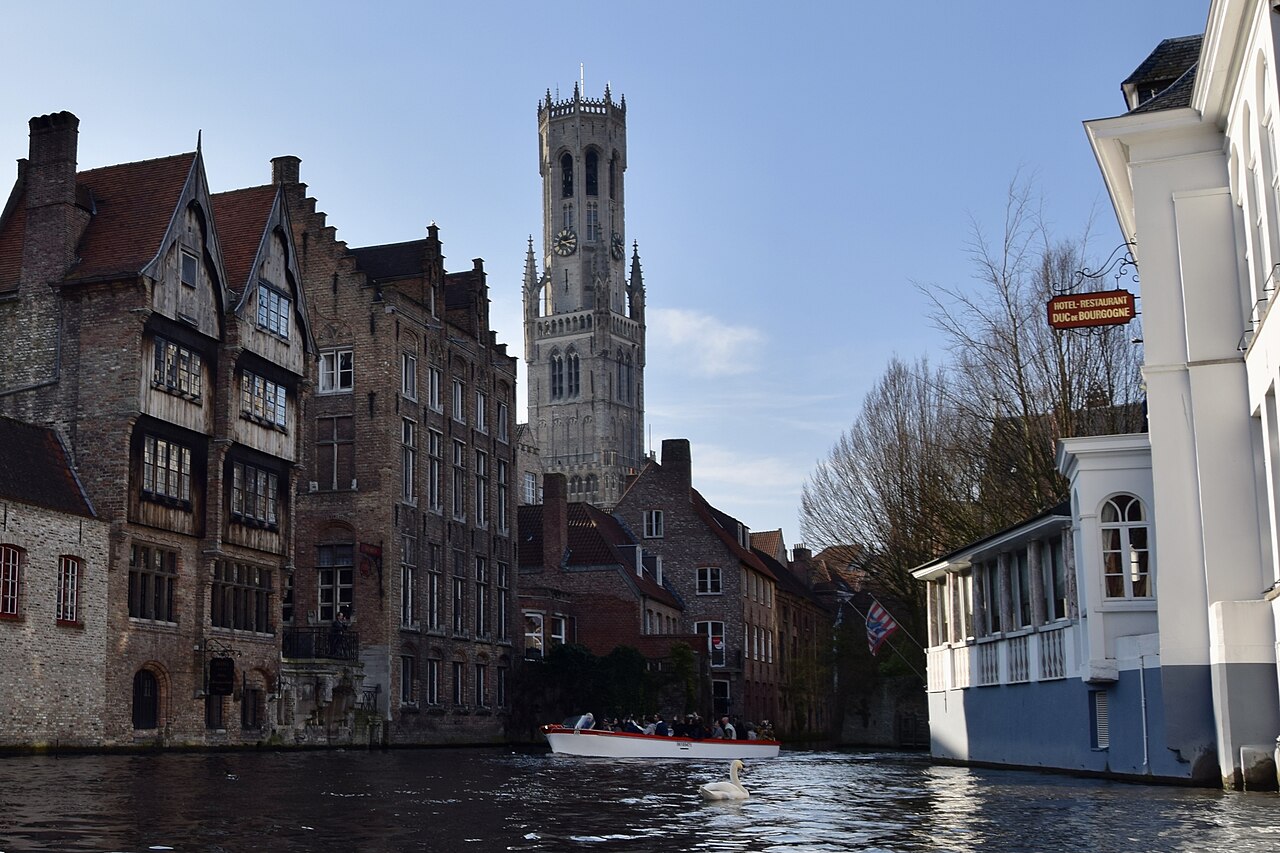
What you walk into today is one of Europe’s most complete medieval urban environments — 80 bridges arching over a network of canals, Gothic guild halls flanking cobblestone squares, the city’s profile of church towers and belfry unchanged in five centuries. UNESCO placed the Historic Centre of Bruges on its World Heritage list in 2000 for what is, simply, the best-preserved medieval city in Western Europe.
Why Bruges Still Surprises
The danger with Bruges is expecting it to be merely decorative. The city is also a genuinely interesting cultural destination. The Flemish Primitives — Jan van Eyck, Hans Memling, Gerard David — worked here in the 15th century, and the Groeningemuseum houses what remains the most extraordinary collection of their paintings outside the Prado. These painters invented oil painting technique and changed European art permanently; standing in front of a Van Eyck in Bruges, in the city where it was made, is not a neutral experience.
Beyond the art, Bruges remains a living city — not a tourist theme park. The University of Bruges keeps young energy flowing through the historic center. The beer culture is serious: more Belgian beer styles were invented within a 100km radius of Bruges than anywhere else on Earth. The chocolate is not a cliché — it’s the real thing, made by craftspeople who have been doing this for generations.
Getting There
Bruges is startlingly easy to reach. Brussels Airport (BRU) and Brussels-South Charleroi Airport (CRL) are the main Belgian gateways; from Brussels Midi station, direct trains reach Bruges in exactly one hour, running multiple times hourly. The Eurostar from London St Pancras reaches Brussels in 2 hours; add the train to Bruges and you’re there from London in under 3.5 hours total.
Bruges railway station sits a 15-minute walk from the historic center, or a short bus ride to the Markt (main square). Leave the car at home — the center is compact, easily walkable, and not designed for automobiles.
Where to Stay
The historic center is where you want to be — inside the canal ring, within walking distance of everything.
Hotel Heritage occupies a beautifully converted 18th-century mansion near the Burg square — the flagship property for those wanting old-world luxury done properly. Hotel Dukes’ Palace is even grander, a converted medieval palace with neo-Gothic grandeur and a courtyard that will make you feel like you’re in a film. Mid-range: Hotel Navarra in a former trading house near the Markt is excellent value. For a quirky experience, B&Bs and small guesthouses tucked into historic buildings along the canal streets offer the best sense of actually living in this city.
What to Do
Groeningemuseum is the essential cultural stop. The permanent collection includes Van Eyck’s Madonna with Canon van der Paele (1436) and Memling’s Moreel Triptych — works of such technical mastery and quiet intensity that people genuinely stop moving when they encounter them. Allow 90 minutes minimum.
The Belfry (Belfort) towers 83 meters over the Markt and has dominated the city skyline since the 13th century. The climb — 366 steps — is rewarded with a panoramic view of the canal-laced rooftops below and a close encounter with the 47-bell carillon. On the hour, the bells perform; climb up when the chimes are ringing and the experience is physical.
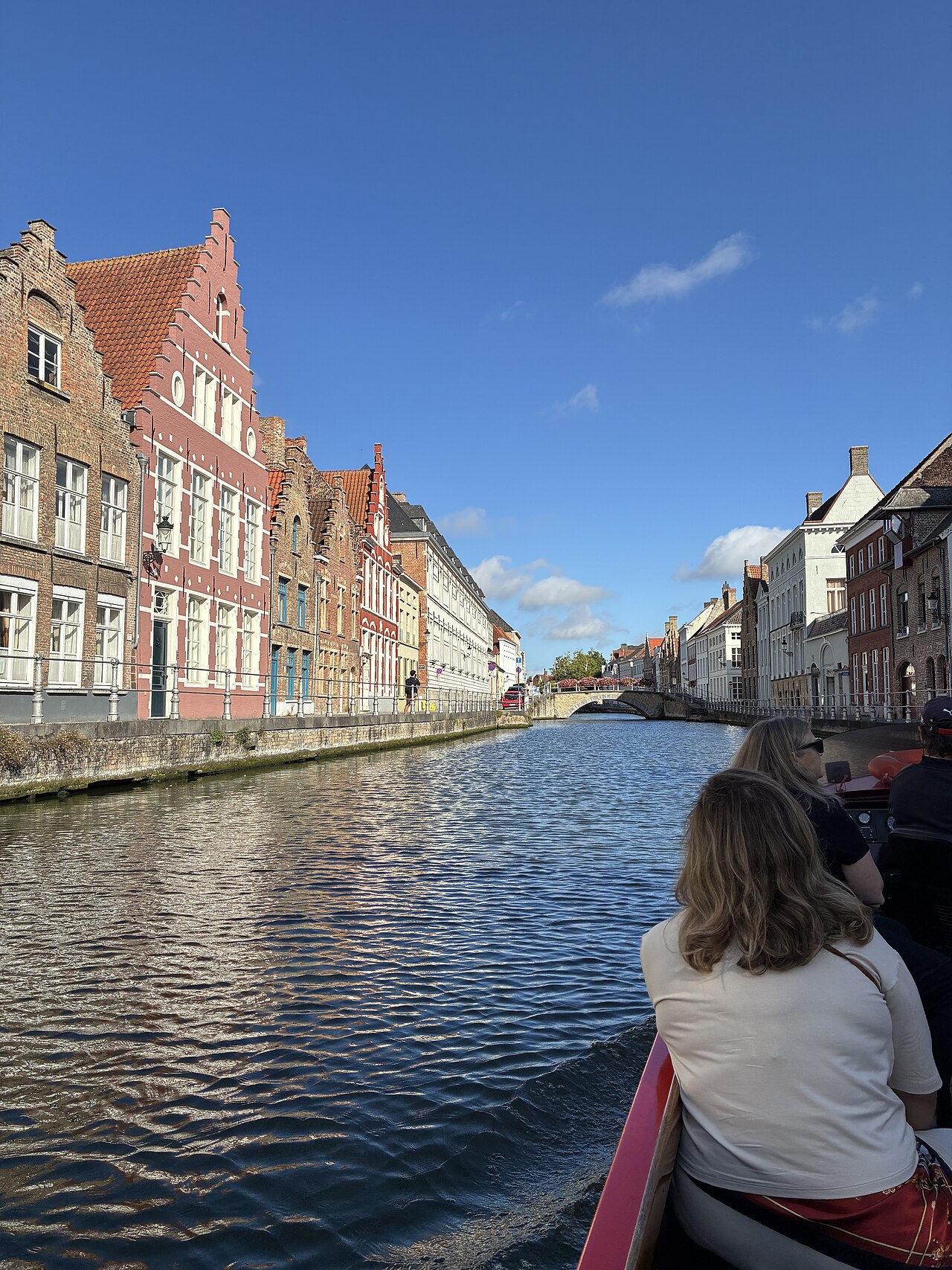
Canal boat tour — the 30-minute guided boat tour from any of the canal docks shows you Bruges from the water, revealing facades and architectural details invisible from street level. Swans — the city’s symbol since the 15th century — glide past with the slightly imperious air of things that know they’re being photographed. The tour operators speak multiple languages and the commentary is decent.
Basilica of the Holy Blood is a 12th-century Romanesque chapel in the Burg square that contains, in a silver reliquary, a cloth allegedly soaked in the blood of Christ, brought back from the Second Crusade. On Fridays, the relic is displayed for veneration. Whatever your beliefs, the chapel’s lower Romanesque level — completely intact from the 12th century — is extraordinary.
Beer at De Garre — a traditional estaminet hidden in an alley off the Breidelstraat, serving De Garre house beer (11.5% alcohol, tripel style, dangerous) and a range of Flemish regional beers. The building dates to the 16th century and the atmosphere is exactly what it should be.
Bruges by night — the Burg square lit up, the Markt with its animated guildhalls glowing, the canal reflections — is one of the great urban visual experiences in Europe. Walk the canal streets at 10pm when the tourists have retreated to their hotels.
Local Tips
Best Time to Visit
March-May brings flower-decorated canal banks, comfortable temperatures (10-18°C), and the pre-summer shoulder. September-October is arguably better: summer crowds have thinned, the light is extraordinary through the canal trees, and Belgian beer festival season is in full swing. December is magical — Bruges has one of Europe’s finest Christmas markets, the canals sometimes freeze, and the city strings itself in lights. July-August is peak season with the most crowds and highest prices, but the weather (18-22°C) is the most consistently pleasant.
Travel Magellan is Bennico’s guide to the world’s most compelling destinations — the ones that reward slow travel and curious minds.
What to Pack
Heading to Bruges, Belgium for City Guide? Here’s what to bring: Travel Umbrella Compact Windproof, Camera Sling Bag Waterproof, Cobblestone Walking Shoes Waterproof, Travel Adapter European, Lightweight Packing Cubes Set. Pack light but smart — city guide demands the right kit.
Book This Adventure
Tours and experiences for Bruges, Belgium:
- Bruges Canal Boat Tour with Guide – GetYourGuide
- Bruges Walking Food & Beer Tour – Viator
Where to Stay
Recommended accommodation in Bruges, Belgium:
- Hotel Heritage Bruges — Relais & Châteaux – Booking.com
- Hostel ‘t Keizershof Bruges – Booking.com
Don’t Skip This
Adventure travel requires proper insurance. World Nomads covers everything from volcano boarding to heli-skiing.
Get a Quote →
Affiliate link — we earn a commission at no extra cost to you.