Valparaíso, Chile: The City That Paints Its Own Story
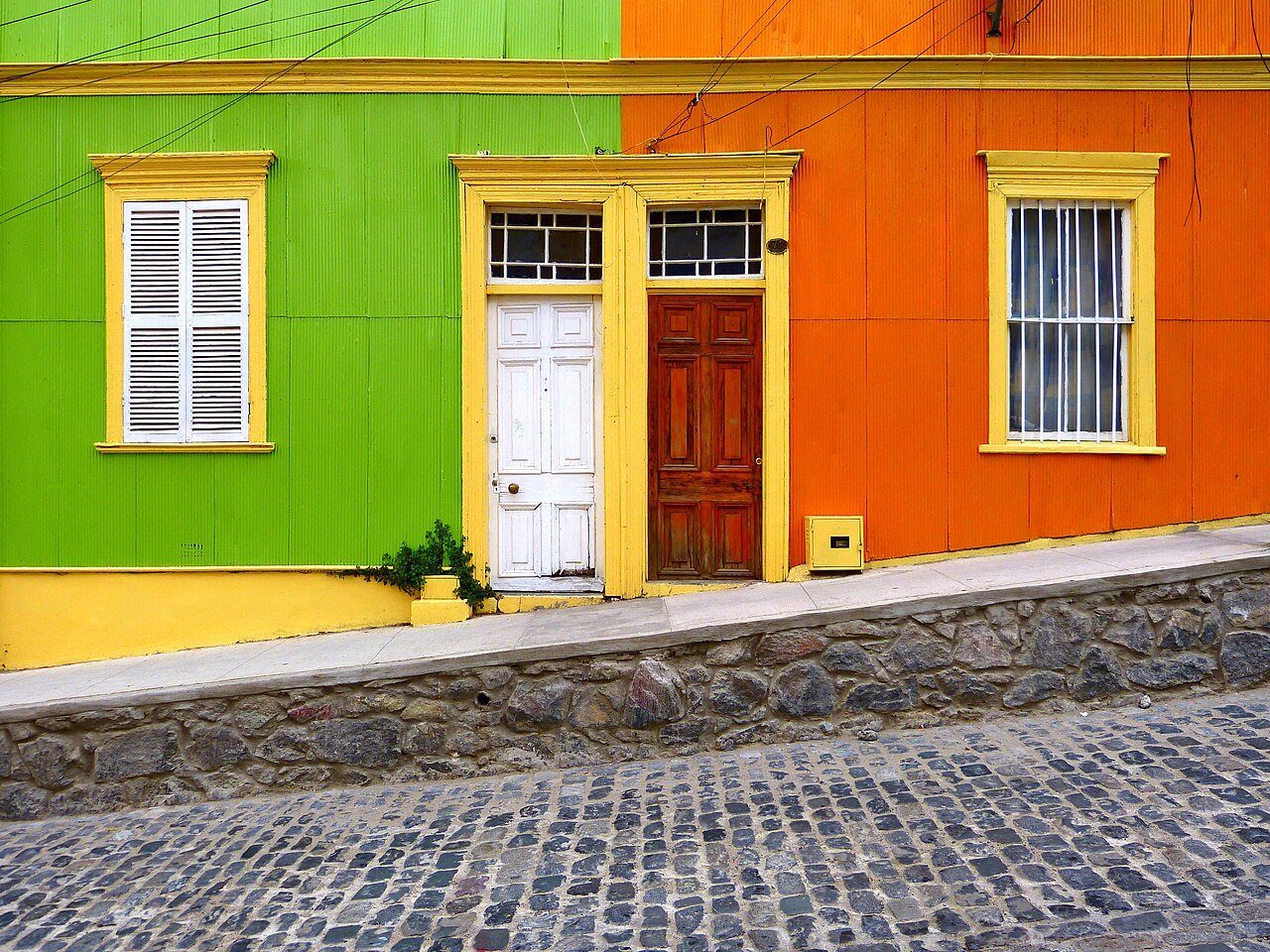
Valparaíso doesn’t look finished. That’s the first thing you notice. Buildings perch at impossible angles on 42 cerros (hills) that cascade down to a flat port district, and the whole city has the exuberant disorder of something still in the middle of becoming itself. Electrical cables crisscross overhead like a spider’s map. Funicular railways — called ascensores — creak up hillsides built for goats. And on every wall, every staircase, every square meter of vertical surface, there is art: murals, stencils, tags, vast painted figures that seem to be tumbling down the hillsides alongside the houses.
It takes about twenty minutes in Valparaíso before you understand why Pablo Neruda built a house here and refused to leave.
Why Valparaíso Is South America’s Most Creative City
The city peaked economically in the 19th century, when it was the Pacific Coast’s most important port and home to communities of British, German, French, Italian, and Croatian traders, whose architectural contributions still define the city’s character. The opening of the Panama Canal in 1914 cut the shipping traffic in half overnight, and Valparaíso never quite recovered economically — which turned out to be the city’s strange gift. It didn’t tear itself down and rebuild. It stayed crumbling and beautiful, a port city that became an artist’s city by default, then by intention.
The bohemian arts scene that emerged in the late 20th century has made Valparaíso one of the great street art capitals of the world. Unlike other cities that host street art, Valparaíso’s art is contextual — it responds to the hillsides, the stairways, the decaying colonial architecture it covers. The Cerro Bellavista and Cerro Alegre hills are the most celebrated, but every cerro has its own character, and wandering off the known trails leads to painted staircases and hidden murals that no tourist guide has catalogued.
Getting There
Santiago International Airport (SCL) is the main hub for South America, with connections from North America, Europe, and major South American cities. From Santiago to Valparaíso, the most pleasant option is the bus from the Alameda terminal (Turbus or Pullman Bus) — a comfortable, frequent 1.5-2 hour ride costing about $5-8. Buses deposit you at the Estación Puerto in Valparaíso’s port district.
By car, the journey along Ruta 68 through the Coastal Range and into the city is scenic and about 120km. Driving in Valparaíso itself is inadvisable — the city’s hills, one-way streets, and chaotic layout are best navigated on foot.
Where to Stay
Cerro Alegre and Cerro Concepción are the most charming neighborhoods to stay in — they’re where the boutique hotels and hostels cluster, and they’re the most aesthetically preserved hillside neighborhoods. Hotel Fauna occupies a Victorian-era house on Cerro Alegre with rooms individually designed by local artists. Casa Higueras is the luxury option on the same hill, with sea views and a pool. For budget travelers, the cerros are full of good guesthouses — look for anything with a roof terrace.
The port-level Barrio Puerto is rougher and less tourist-oriented; interesting to explore but not the right base for first-time visitors.
What to Do
Ride the ascensores. Valparaíso has 26 historic funicular railways (ascensores) connecting the port district to the hilltop neighborhoods; a handful are still operational. Ascensor El Peral (connecting Plaza Justicia to Cerro Alegre) and Ascensor Concepción are the most historic. They cost about 100 Chilean pesos and are worth every one of them.
Get lost on the cerros. This is the core Valparaíso experience. Pick Cerro Bellavista, Cerro Alegre, or Cerro Concepción as a starting point and simply walk — uphill, downhill, through painted staircases, along the paseos (pedestrian promenades) that cling to the hillside edges with views over the bay. The Atkinson Paseo on Cerro Concepción, lined with restored Victorian mansions, is particularly beautiful.
La Sebastiana — one of Pablo Neruda’s three Chilean homes — is preserved as a museum on Cerro Florida. The poet’s obsessive collections (ships in bottles, carved figureheads, antique bars) fill five eccentric floors of a house built to look like a ship’s prow. The view of the bay from the top floor is what Neruda wrote about. It’s still remarkable.
The market on Avenida Argentina (Mercado Puerto) is the working-class heart of the city — fresh produce, seafood, and lunch counters serving hearty caldillo de congrio (eel chowder, Neruda’s favorite dish) at long communal tables.
Valparaíso at night is quieter than Santiago but more surprising. The bars and restaurants on Cerro Alegre and around Cerro Concepción’s Paseo Gervasoni fill with locals and travelers, and the city’s skyline of twinkling hillside lights — reflected in the harbor — is genuinely beautiful.
Local Tips
Best Time to Visit
November to March (Southern Hemisphere summer) gives you the best conditions: warm, clear days (20-25°C), long hours of light, and the full outdoor festival calendar. December and January see the cerros at their most festive. April-September is cooler (10-15°C), sometimes foggy from the Pacific, but the city is less crowded and more itself — locals rather than tourists setting the pace. Winter rain can make the cobblestones treacherous. Valparaíso’s New Year’s Eve fireworks over the bay are legendary in South America — if you’re in Chile in late December, this is where you want to be.
Travel Magellan is Bennico’s guide to the world’s most compelling destinations — the ones that reward slow travel and curious minds.
What to Pack
Heading to Valparaíso, Chile for Street Art & Hills Guide? Here’s what to bring: Comfortable Walking Shoes Hills, Camera Wide Angle Street Photography, Daypack Anti-Theft Security, Travel Journal Dotted, Lightweight Rain Jacket Packable. Pack light but smart — street art & hills guide demands the right kit.
Book This Adventure
Tours and experiences for Valparaíso, Chile:
- Valparaíso Street Art & Cerros Walking Tour – GetYourGuide
- Valparaíso Full Day Tour from Santiago – Viator
Where to Stay
Recommended accommodation in Valparaíso, Chile:
- Casa Higueras Hotel Valparaíso – Booking.com
- Ola B&B Valparaíso – Booking.com
Don’t Skip This
Adventure travel requires proper insurance. World Nomads covers everything from volcano boarding to heli-skiing.
Get a Quote →
Affiliate link — we earn a commission at no extra cost to you.